
MRI, which stands for magnetic resonance imaging, uses potent magnets and radio waves, rather than x-rays, to create images of the body, explains MedlinePlus, a website published by the National Institutes of Health. Dozens or even hundreds of images can be produced during one MRI exam.
An open MRI is generally more comfortable for people who don’t like enclosed spaces or suffer from claustrophobia. Comparable machines cost close to $1 million, according to field service engineer Justin Mickshaw. That figure doesn't include the high costs of transportation and installing the device.
MRI signals respond differently to various types of tissues. Cancerous tissue, for example, would relay a somewhat different signal than healthy tissue. An MRI can be used in conjunction with other imaging techniques to help the doctor make a more definitive diagnosis. No recovery time, is necessary after an MRI, unless you were given a sedative to help you relax. You can typically resume your activities following the test.
“It's quite an extensive process to put this magnet in,”
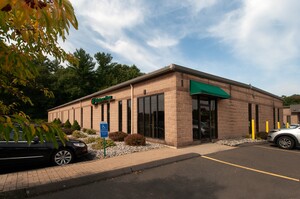
explained Mickshaw. It takes about six weeks to install. Banner printing announcing the opening of the open MRI center would help notify local residents that the sophisticated diagnostic tool should be ready for use around February 1.